Mastering the Bank: Why Prep and Patience Win Every Time

We have all been there. You arrive at the lake, the conditions look perfect, and you are itching to get the rods out as fast as possible. While that initial excitement is what we love about fishing, the difference between a blank and a session to remember often comes down to the work you do before your bait even hits the water. Success is rarely a matter of luck; it is a result of preparation and patience.
The Art of the Approach
Before you even make your first cast, take the time to truly observe the water. Watch for subtle movements, bubbling, or fish showing themselves. On pressured UK waters, the carp are masters of evasion. If you rush your setup, you risk spooking fish that might have been feeding right in your chosen swim. Taking an extra hour to map your spot, find the firm patches, and set your traps with minimal disturbance is the single most effective way to tilt the odds in your favor.
Quality Over Quantity
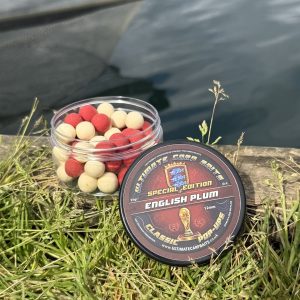
Many anglers make the mistake of dumping too much bait in a swim, hoping to keep the carp occupied. In reality, over-feeding can be just as counter-productive as not feeding at all. It is about presenting a concentrated, irresistible signal. By using high-quality, scientifically formulated hookbaits that pack a punch, you can create a localized feeding zone that triggers curiosity without filling the fish up. A small, perfectly placed trap with a potent attractor profile will always out-fish a large, messy bed of average bait.
Patience is a Skill
The hardest part of fishing is knowing when to sit on your hands. If you are confident in your spot and you have put your gear in the right place, resist the urge to keep reeling in to check your bait or change things up. Every time you cast, you create noise and disturbance. Sometimes, the most important action you can take is to stay quiet, stay still, and give the fish the time they need to gain enough confidence to commit to your rig.
What would you like the focus of our next blog post to be? Maybe we could dive into a specific bait range or some tactical advice for different seasons?

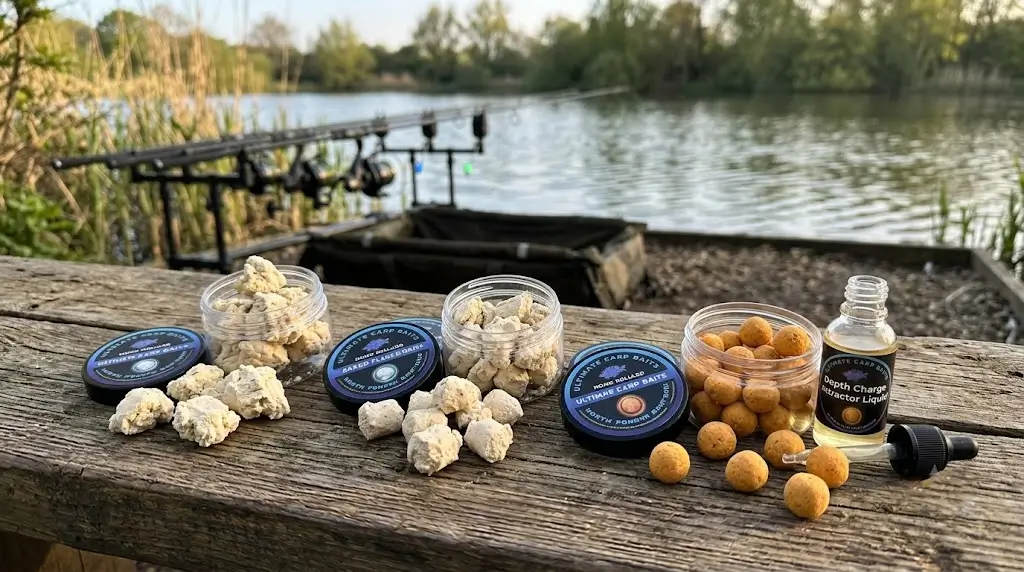
New Arrivals
Discover the latest additions to the Ultimate Carp Baits range. We are constantly pushing the boundaries of bait science to bring you next generation hookbaits. Explore our newest releases below and give yourself the ultimate edge on your next session.